













Logo

Ozwin Casino Sign Up For Australia

A practical 2026 overview of access, registration, payments, support, and controls for adults using the platform in Australia.

Slot Fortune Gems 2

Table of Contents

  • The Dog House Megaways Slot
  • Lucky Joker 10 Extra Gifts Slot
  • Sword of Ares Slot
  • Floating Dragon Hold & Spin Slot
  • Leprechaun Riches Slot
  • Fruit Coctail Slot
  • The Dog House Megaways Slot
  • Sword of Ares Slot
  • Fruit Million Slot
  • The Dog House Megaways Slot
  • Fruit Box Slot
  • Big Fisherman Slot
  • Seven Books Unlimited Slot
  • Ozwin Casino Fortune Slot
  • Sword of Ares Slot
  • Floating Dragon Hold & Spin Slot
  • 9 Mad Hats Slot
  • Floating Dragon Hold & Spin Slot
  • Big Bass Splash Slot

Why Ozwin Login Australia Matters In Practice

The first minute on a casino platform often decides the whole mood of the session. A player opens the page, looks for the account button, enters the details, and expects the next screen to make sense straight away. If that opening flow feels clean, the rest of the platform already has an advantage. If it feels messy, even a strong game lobby starts from a weaker position.
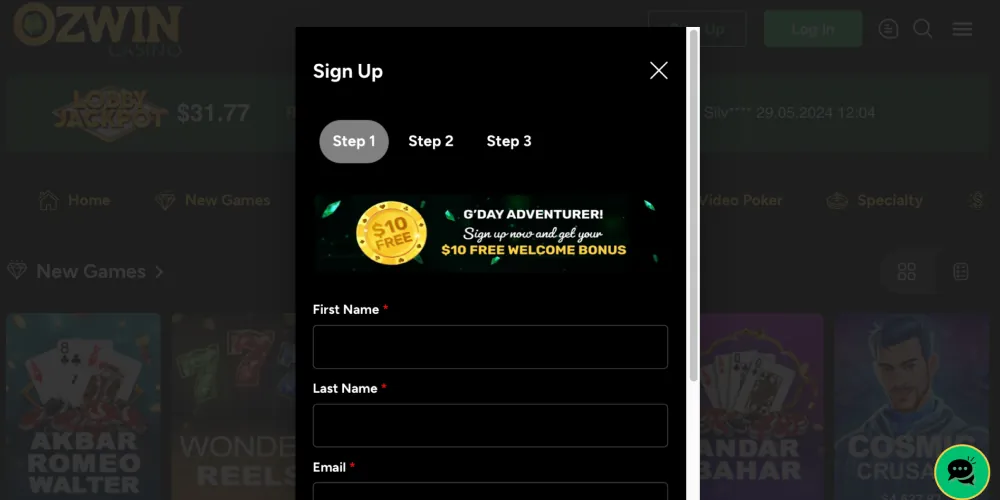
login 1

Imagine you are checking the platform on your phone during a short break. You do not want to search through banners just to reach the account area. Usually, adult players in Australia stay longer with a service that respects routine actions - enter, check the balance, browse, and leave without friction - because it fits normal leisure habits instead of demanding extra patience.

Good access design also changes behaviour. When the route into the account is predictable, users make calmer choices after entry. They are more likely to review their balance, check limits, or look at the cashier before jumping into the first game on the screen.

What Ozwin Casino Sign Up Says About Usability

Registration tells you how the platform thinks. A readable form, a sensible order of fields, and a clear explanation of what happens next all suggest that the account area was built for everyday use rather than for one fast conversion. That matters because most players do not judge a casino once. They judge it across repeated visits.

Picture someone opening a new account late in the evening after comparing several brands. Usually, patience is already low by that point. If the form asks for too much at once or hides the next step, the player feels resistance before the session has even begun. When the form is short, the labels are clear, and the transition to the profile area feels natural, the platform creates trust without needing to say much.

When Login Ozwin Becomes A Routine Task

The real test comes after the first day. A player returns from another device, enters the account again, and checks whether the same logic still holds. Imagine opening the platform on desktop on Friday, then using a phone on Sunday evening. Usually, the better experience is the one that keeps the balance, menu, profile area, and payment tools in familiar places, because routine matters more than novelty once the platform becomes part of a normal week.
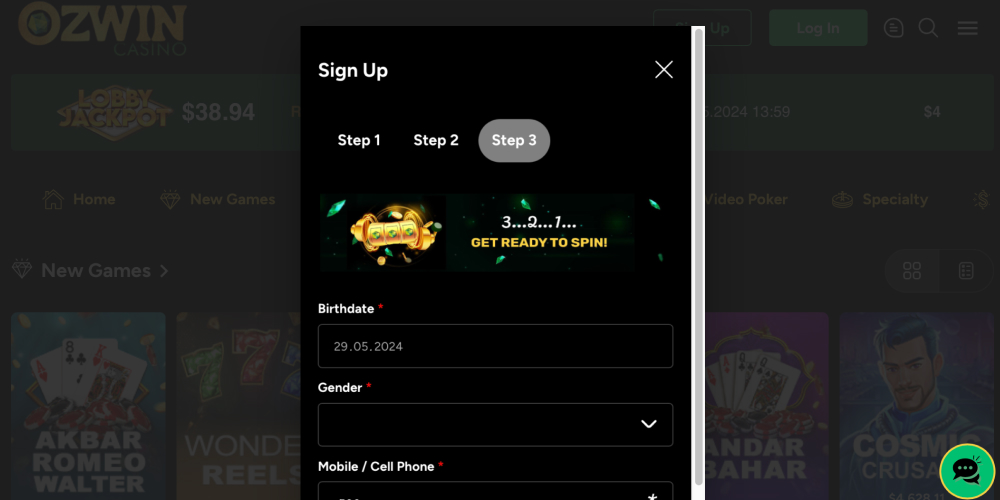
login 2

Registration Flow And First Account Checks

A strong registration path does not try to look exciting. It tries to reduce confusion. The user enters the core details, sets the password, confirms the account, and immediately understands where profile information lives. That sequence sounds basic, but many players leave not because they dislike the games, but because the first account steps feel disorganized.

Imagine someone sitting down after work with half an hour free. That person wants to create an account, explore the lobby, and maybe try a few low-stakes rounds before stopping for the evening. Usually, the process works best when the platform separates what must be done now from what can be reviewed later. Clear priorities lower stress.

The first account check is just as important as registration itself. Players often want to see where transaction history will appear, where profile notices are stored, and whether limit tools are easy to locate before they actually need them. This is one reason adult users often judge the account area more seriously than the front page.

There is also a practical side to first-time setup. If the platform explains document requests, profile confirmation, or payment-related checks in plain language, users are less likely to repeat actions or contact support too early. They know what is being requested and why it matters to future account use.

Forms, Passwords, And Small Frictions

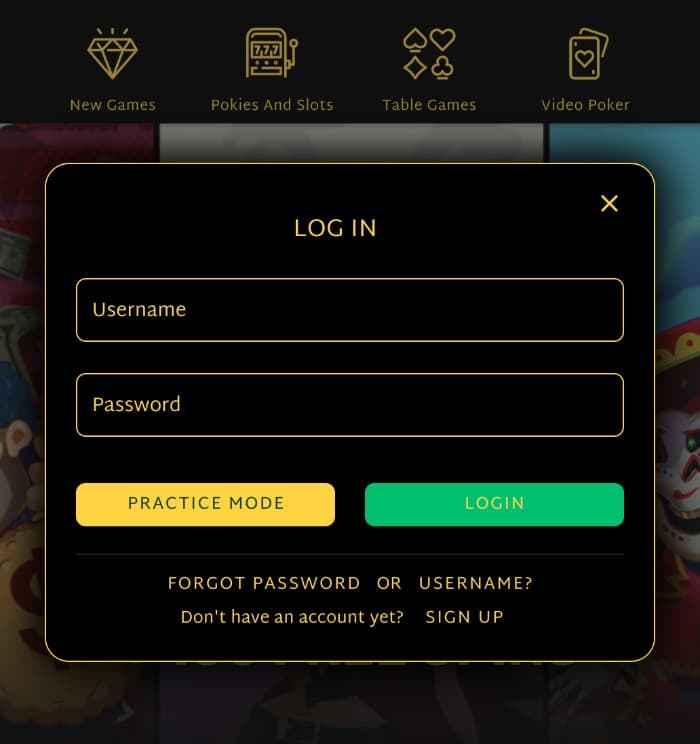
Tiny annoyances shape the whole experience more than people expect. A weak password prompt that appears too late, a field that clears itself after one mistake, or a vague error line can make a simple task feel bigger than it is. Imagine mistyping one detail while creating the account and then having to start over. Usually, irritation grows not from the original mistake, but from the platform failing to explain how to fix it cleanly.

login 3

Payments, Balance View, And Limit Tools

The cashier is where convenience turns into trust. Players deposit, review their balance, check pending requests, and decide whether the session should continue or end. All of that depends on visibility. Exact processing times can vary by method and by account status, so the better platforms focus on clear stages instead of dramatic promises.

Imagine making a modest deposit on a Friday evening, playing for twenty minutes, and deciding to keep part of the balance for later rather than spending it all at once. The next step should feel obvious: open the cashier, review available funds, confirm the action, and return to the lobby or leave the session. Usually, people feel calmer when each part of that route is visible without extra searching.

Adult players in Australia also pay attention to control tools here. Deposit caps, timeout options, session reminders, and stronger exclusion settings matter because they help people shape play around real life. They are not decorative features. They are part of normal account management for users who want gambling to remain a contained form of leisure.

Area

What Players Usually Look For

Why It Helps

Deposits

Clear methods, readable amounts, confirmation steps

Makes funding the account easier to understand

Withdrawals

Request status, visible history, balance updates

Reduces uncertainty after the session

Account Records

Recent activity and profile notices

Helps users track actions without guessing

Limit Settings

Budget caps, pauses, stronger restrictions

Supports steadier decisions and better pacing

Help Access

Easy path to contact and follow replies

Gives users a clear next step when stuck

A useful cashier also reduces panic. If the platform shows what is pending, what has been completed, and what still needs attention, players are less likely to repeat the same step or assume something is wrong too early.

Game Choice After Access

Once the player is inside, variety only matters if it is structured well. A huge lobby can feel smaller than a focused one when categories are messy, filters are weak, and the search bar does not help. Most adults do not need endless noise. They need a quick route to the kind of session they actually want that day.

Imagine logging in with fifteen minutes free before dinner. Usually, you do not want to wander through every category. You want to open the lobby, spot a familiar section, compare a few options, and start with a clear sense of budget and pace. Good layout supports that. Poor layout makes even a short visit feel longer than it should.

There is also a difference between entertainment choice and decision quality. A player who can see categories clearly, return to recently used titles, and review basic rules before starting is already in a better position than someone pushed by flashing prompts and repeated banners. Clear navigation slows the environment down just enough to support better decisions.

Browsing With A Short Time Window

Short sessions create their own demands. A player with ten minutes does not behave like a player planning a long evening. Imagine opening the casino on your phone while waiting for a ride. Usually, the best design in that moment is not the loudest one. It is the one that lets you reach favourites, search quickly, and leave the lobby again without losing track of the account menu or the cashier.

How Session Pace Changes Decisions

Pace is rarely discussed enough. Fast rounds can feel convenient, but they also reduce the space between decisions. That matters because spending, game selection, and emotional reactions all happen closer together when the rhythm speeds up.

Picture someone moving from one title to the next because the lobby makes every transition effortless. On the surface, that seems efficient. In practice, it can blur the original session plan. Usually, players who want steadier sessions do better when they pause between choices, compare stakes calmly, and treat the next game as a separate decision instead of a continuation of the previous mood.

Why Familiar Menus Matter More Than Flash

Trust often grows from repetition, not spectacle. Imagine returning to the platform three times in one week and finding the same menu structure each time. Usually, that consistency matters more than promotional visuals because it removes small sources of confusion. When the account area, lobby categories, and cashier stay predictable, the whole session feels more adult and less reactive.

Support, Break Features, And Safer Habits

Support matters most when a small issue blocks a normal action. A profile check may still appear after the user thought it was completed. A payment request may show a status that feels unclear. A password reset email may not arrive as quickly as expected. In each case, the key question is simple: does the platform give the player a clear route back to certainty?

Imagine sending a help request late in the evening and reopening the account the next morning. Usually, frustration stays lower when the support path is easy to find, the topic is easy to label, and the reply thread stays visible in one place. Players are not asking for magic. They are asking for a process that feels organized.

Break features belong in the same practical conversation. Session reminders, timeout settings, and self-exclusion tools work best when they are visible before a player feels overwhelmed. Adults who manage their gambling well often choose boundaries early, not after a difficult night.

There is also a habit side to support. People contact help less often when the platform explains its own steps clearly. A readable cashier, visible account notices, and calm status messages reduce unnecessary tickets because users can interpret routine actions without guessing.

A better casino routine usually begins before the first round. Set the amount. Decide the session length. Think about whether the goal is a quick bit of entertainment, trying a new title, or simply using spare time without letting it stretch into the rest of the evening. Platforms that support this mindset tend to feel more useful over time.

When To Pause Instead Of Depositing Again

One of the best decisions a player can make is to stop the session before emotion starts setting the rules. Imagine noticing that a quick visit has already run longer than planned and the first deposit no longer feels connected to the original budget. Usually, that is the point to use a break feature, not to add more funds in the hope that the next few minutes will correct the mood. A pause protects judgment better than momentum ever does.

What Australian Players Usually Notice Over Time

Long-term users rarely talk first about graphics or slogans. They talk about routine. Can they enter the account quickly? Can they find the cashier without hunting? Can they step away and return later without re-learning the whole layout? These are the details that shape real opinions across weeks, not just one session.

Imagine an adult player in Australia who checks the platform on a phone during weekdays and on a laptop during the weekend. That user expects the same core logic everywhere. Usually, when menus shift too much between devices, trust fades because routine turns into work.

Players also notice tone. They prefer clear instructions, readable payment steps, and visible control tools over exaggerated promises. In 2026, a casino platform feels stronger when it helps the user move through normal tasks calmly: register, verify, deposit, browse, pause, withdraw, and leave without confusion.

Another pattern appears over time: the best sessions are often the least dramatic. A player signs in, follows the plan, checks the balance once or twice, and stops when intended. Good design supports that quiet outcome. It does not need every visit to feel intense in order to feel successful.

Trust Comes From Repetition, Not One Big Win

A single winning session can create excitement, but it does not tell you much about the platform itself. Imagine comparing one memorable evening with ten ordinary visits across two weeks. Usually, the stronger measure is repetition: clear access, visible records, reliable menu logic, and easy ways to step back. That is what turns a usable casino into one that feels worth revisiting.

Leaving Smoothly Is Part Of Good Design

The end of a session matters almost as much as the beginning. A player checks the remaining balance, reviews pending actions, and decides whether to close the account page for the day. Imagine leaving after a short session and wanting that exit to feel complete rather than messy. Usually, when the last steps are easy to read, the whole experience feels more controlled, and the next visit starts from a calmer place.

FAQ

Start before you enter the lobby. Decide how much money and time the session deserves, then use the account tools to match that plan as closely as possible. Imagine opening the platform after a long day and wanting quick entertainment without turning it into a long evening. Usually, the player who sets a rough spending limit and a stop point in advance browses more calmly, ignores more distractions, and finishes the session with fewer regrets because the structure was clear from the beginning.

Focus on the practical basics. Look at the profile area, find the cashier, see where activity records are stored, and check whether any further confirmation step is clearly explained. Imagine completing the first form and then jumping straight into the games without looking around. Usually, that creates confusion later when you need to review payments, update details, or understand a notice. A short account review at the start saves time on every later visit.

Because the phone gives less room for mistakes. Menus compete for space, taps happen faster, and patience drops when the player is moving, waiting, or multitasking. Imagine trying to check the balance and browse a category with one hand while standing outside a store. Usually, even a minor layout problem feels bigger on mobile than it does on desktop. That is why good mobile structure matters so much for everyday use.

Contact support when the next step is unclear, not only when something seems seriously wrong. That can happen if a reset request does not lead anywhere, a profile reminder still appears after you thought it was handled, or a payment status looks hard to interpret. Imagine rereading the same short message three times and still not knowing whether to act or wait. In that situation, a focused help request is often better than guessing or repeating the same action.

Treat the session like a small plan rather than a live reaction. Choose the budget first, decide the likely duration, and think about what will end the session even if the mood changes. Imagine starting with the idea of ten minutes and then realizing half an hour has passed. Usually, drift happens when there is no boundary in place. A timer, a deposit cap, or a break feature can turn vague intentions into something you actually follow.

Clarity is the main factor. Players want to see available actions, recent requests, and account notices without having to interpret vague language. Imagine finishing a session and checking whether a request was created correctly. If the history is visible and the balance movement makes sense, confidence rises even before the final result changes. People trust systems that explain themselves, especially when money is involved.

In many cases, yes. A smooth session often means the account tools stayed visible, the navigation did not fight you, and the decisions remained close to the original plan. Imagine playing for a short time, checking the balance once, and leaving without feeling pushed to keep going. Usually, that kind of calm outcome shows stronger design than a dramatic evening full of interruptions, confusion, and repeated account checks.